
CHAPTER 3
Bran Flakes
Bran is manna in prison—neutral-to-good taste, recognizable as food, and the medicine that keeps you regular. If you’re not vigilant, the whole experience can be one big bloat—stagnation.
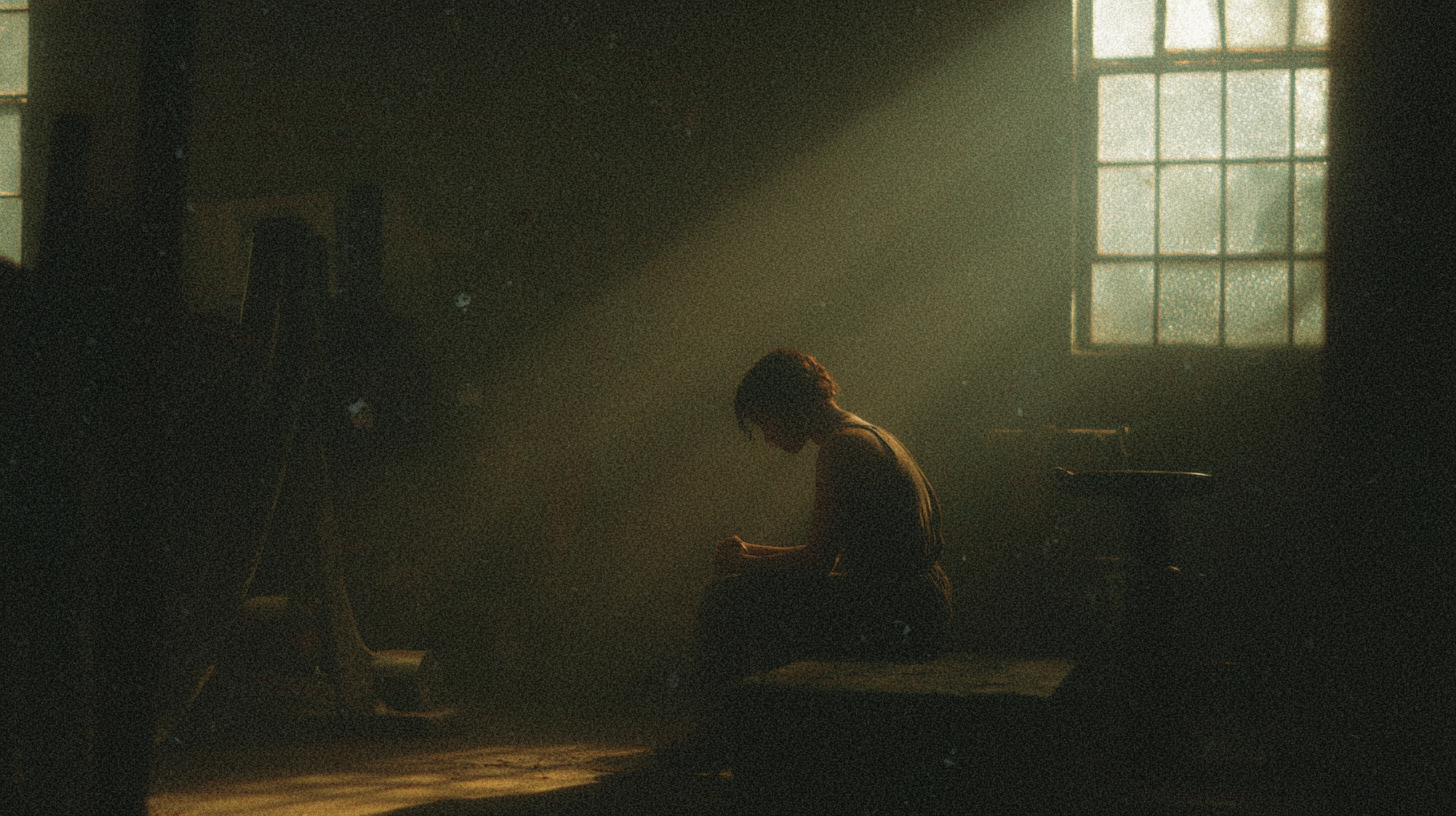
Women lie in their beds with makeshift eye masks of sweatshirts or towels to block the light. The one window with moving air sits just outside the sleeping area; the cardio machines gather dust. Lack of circulation—heart, air, digestion—leaves inmates to, as Octavio Paz put it, “kill time, kill life.” For many, the burden that brought them here, coupled with the stigma, is too heavy to bear.
Heads hang. Eyes drop. Hope follows.
To stay in motion—this is the how. Inside of prison, that means going against inertia. This is the beginning and end of rebirth, repeating until one wakes up, not despite being here but because of being here. The pressure either crushes you or makes the diamond.
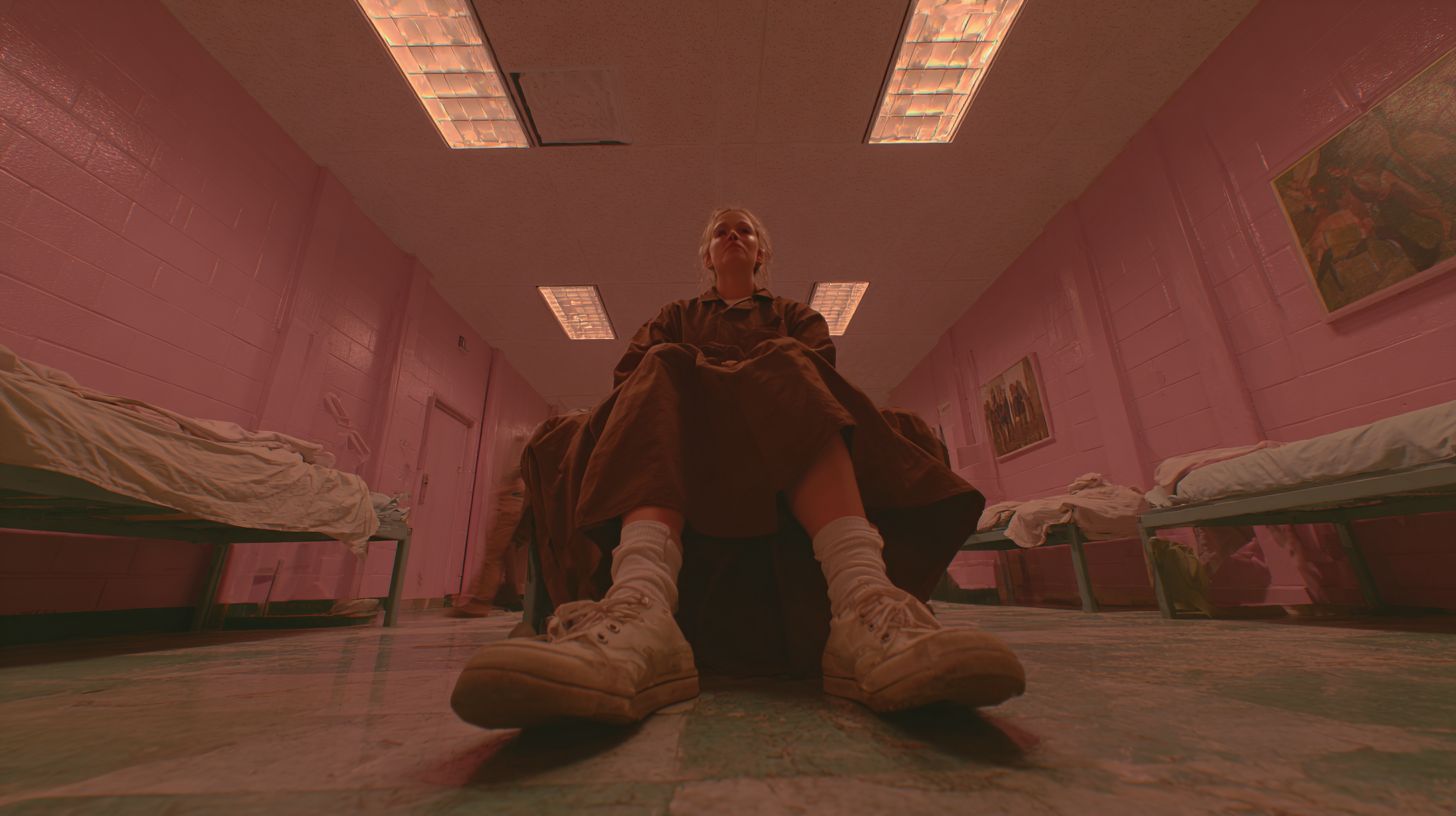
Years ago, on psychedelics, I would open my eyes and simply be somewhere—consciousness landing in a new scene. Now I open my eyes inside bubblegum-pink cinderblocks, brown prison T-shirt, white boxers. Scene. Go. What will this consciousness do with this one wild and precious scene? How will I extract the jewel from this moment?
It’s easier than you’d think if you’ve grooved the carrier signal of practice. My mind has been secured on that plane—the wisdom of “no matter what.” Through sleet or snow, attraction or aversion, resignation or hope, I practiced. The muscle memory is strong: get up, kneel and pray, write, yoga, meditate, eat well(ish), a little cardio, a little fresh air, be of service. That’s the recipe for portable enlightenment.
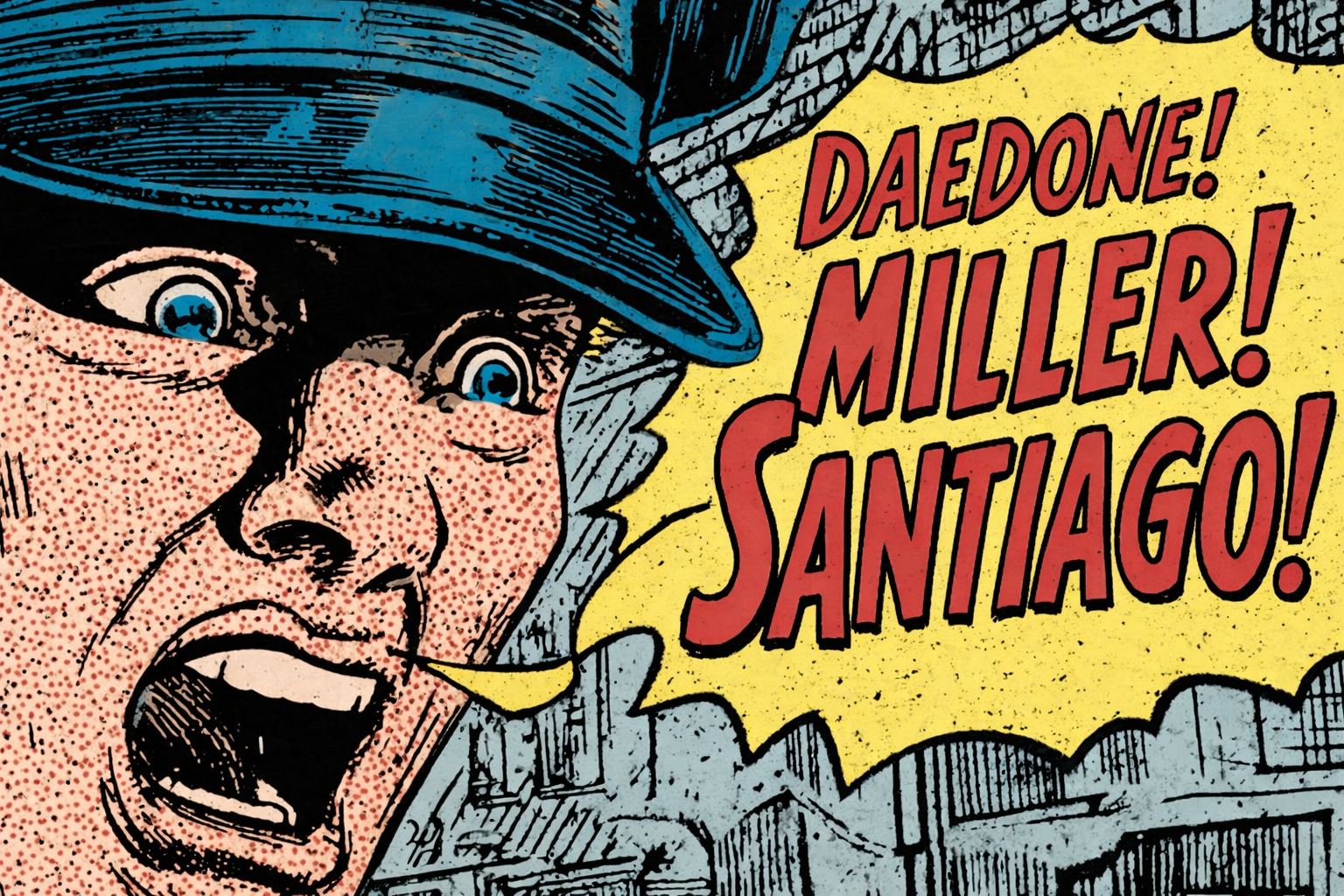
“Daedone! Miller! Santiago!” A bark ricochets off metal bunks, snapping the dorm to attention. We head to the little office where Santoro, the counselor—stunningly kind—waits with a clipboard to run the intake “talk.” Brynn, a new arrival, slides into the chair beside me, Alma to her left. Brynn’s the kind of warm and funny you only find in someonewho’s given up even the pretense of pretense. A few teeth missing, eyes bright. Santoro reads the script. I’m told to sign a form. If someone leers while I shower, that’s on them. If I shower seductively, that’s on me. No sex with guards, no sex with other women, no sex with myself. Systems of control see sex as kryptonite. “That’s crazy—why would they want to get it on with each other?”
Brynn hoots.
“Because we all want some lovin’,” I say. Even the counselor laughs, then slides the form across the desk and watches me sign.

The talk reminds me how fast rules clamp down on a body. Last night, Rach sprinted back to her bunk like a kid chased by a monster.
She’d made the mistake of wearing the prison-issued (and huge) boxers into a public area. It seems those boxers are potentially too alluring for the male guards to resist. The female guard on duty would have none of this seduction. Getting barked at in prison activates your nervous system at a level reserved for life-and-death situations outside.
Much of making it through—without feeling like you’re scaling an electric fence—is fight-or-flight management. One wrong move and you’re in the hole—no window, no sun, no air—and sometimes everyone else pays, too. That’s how conformity is enforced: If one woman “acts out,” the whole dorm suffers. A climate is created where the safest thing is for everyone to flatten themselves. Control of sex is control of women. Rename desire as danger and you can police everything, from how we shower to what we think. We should give no hint to the outside world what it feels like inside us.
Which is why, as strange as it is to be here, it’s not entirely unexpected. The logic is brutal and simple: When control is the foundation of a culture, women’s desire comes under attack.
When the verdict came in, the Department of Justice celebrated and called me a “charlatan” and a “grifter,” as if no sane woman would choose to make sexual energy the ground of her meditation and meditation the ground of her life. In their world, women don’t really want sex, and if they do, they certainly can’t be trusted with it; the idea that sexual energy could be not only empowering but sacred—and not only sacred but central to a spiritual life—is anathema to almost everything the modern West believes about women. That this same force is honored and integrated in some of the most advanced streams of Eastern philosophy and religion was completely lost on my prosecutors. They were a Western, secular team steeped in a culture that first infantilizes women and then casts itself as the hero, swooping in to “save” the very infants it has created.
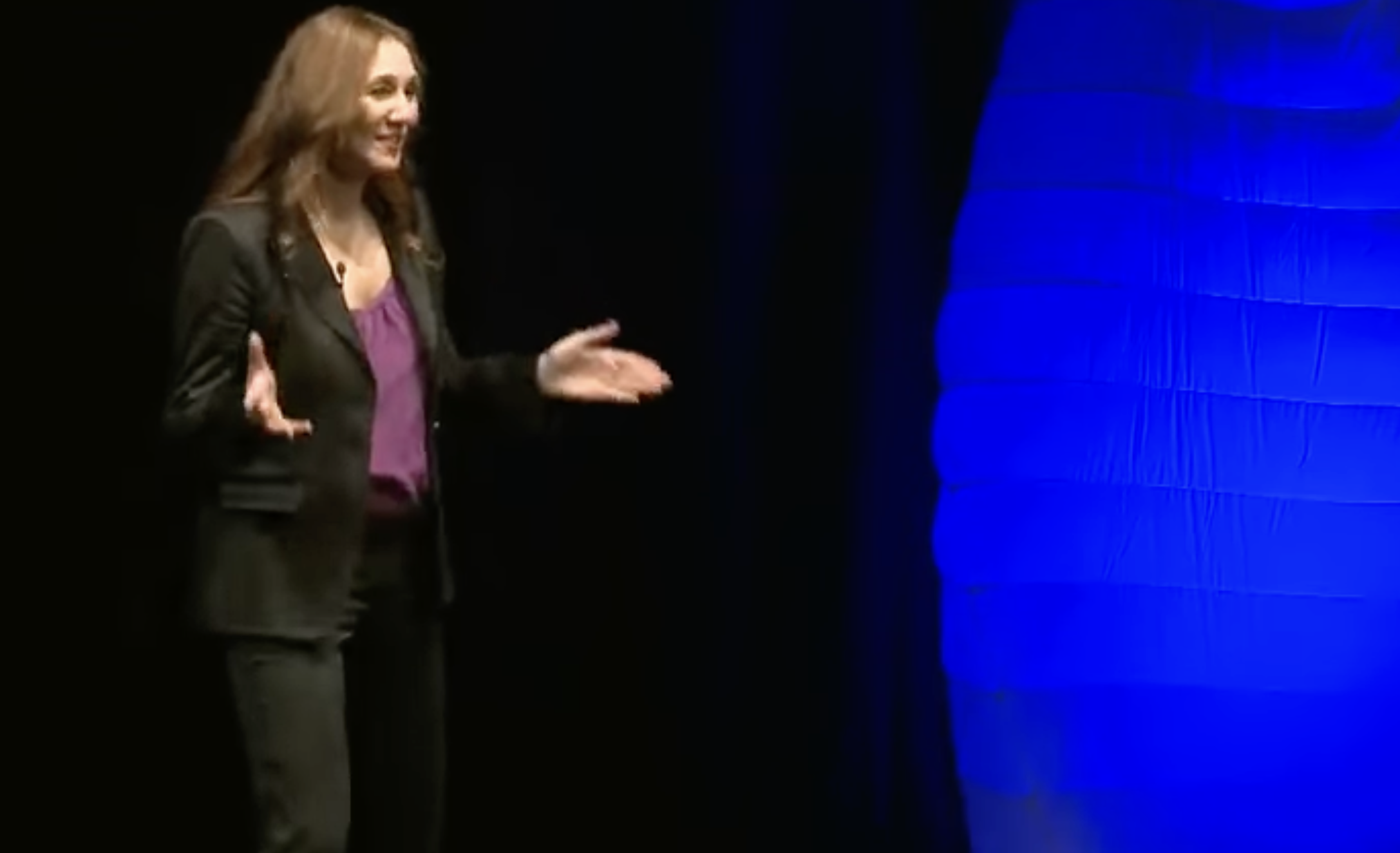
It would have been quite a con: More than two decades ago I founded a practice and built a company to teach it. It started small. Then the fire caught—tens of thousands of customers, a TED Talk, a book, press, celebrity endorsements—and yet the whole thing rested on one simple belief: Women’s desire isn’t a problem to be managed or “figured out.” It is the living power that makes us alive.
I didn’t come to that lightly. I came to it by trying everything else first. Be smaller. Be nicer. Be grateful for crumbs. There’s a particular exhaustion that sets in when you’ve spent years negotiating with your own life. I believed there had to be a different way. So I said the quiet thing out loud: A woman’s turn-on can be healthy, ordinary, even holy. Not meant to exist only in dark, furtive rooms, but brought into the light and celebrated.
I didn’t set out to be a controversy. I set out to tell the truth I learned in my own body: Aliveness isn’t something you think your way into; it’s guided by something felt. For many, especially women, feeling has been treated like contraband. We’re taught to hide it, hush it, or hand it to someone else for safekeeping. Desire is the inspiration to transform; it’s the basis of sovereignty and intimacy. Instead, we try to package it into convenient, manageable shapes. I wanted to place that power back in the hands of women.
Simple, not easy. Daylight shows everything—the beauty, the mess, the learning curve. People brought their hopes and histories, their hunger and heartbreak. Some found what they came for. Others hit their edges and left—most on good terms, a few less so. That’s real life in any family, classroom, start-up, or church.
We built a community around the truths we believed and, yes, a business to support it and a nonprofit founded on the same principles. We had rules. We had forms. We had sales goals, rent to pay, and long meetings to sort out feelings and reconnect. We also had the least reliable variables in human history—love, jealousy, hope, disappointment, money, longing, and the way memory rearranges itself after a breakup. You can craft all the guidelines you like; the heartis a wild animal. We’re human, and human connection is messy. We invited people to bring the whole of themselves.
Could it be painful?
Sometimes.
Criminal?
No.
Some left whole and grateful. A few left bruised or mad.
I respect both kinds of leaving.
Years later, the knock came: badges, questions, case numbers. I understand the optics: Sex plus money plus community looks suspect to people who’ve only ever seen those things misused. When the government enters the room, everyone’s memories sit up straight.
Nuance gets nervous. Old lovers turn into headlines; complicated seasons turn into exhibits.
If you’ve ever tried to explain a breakup to a friend looking for a villain, you know the sensation. The truth is many-sided and tender. The legal system is not.
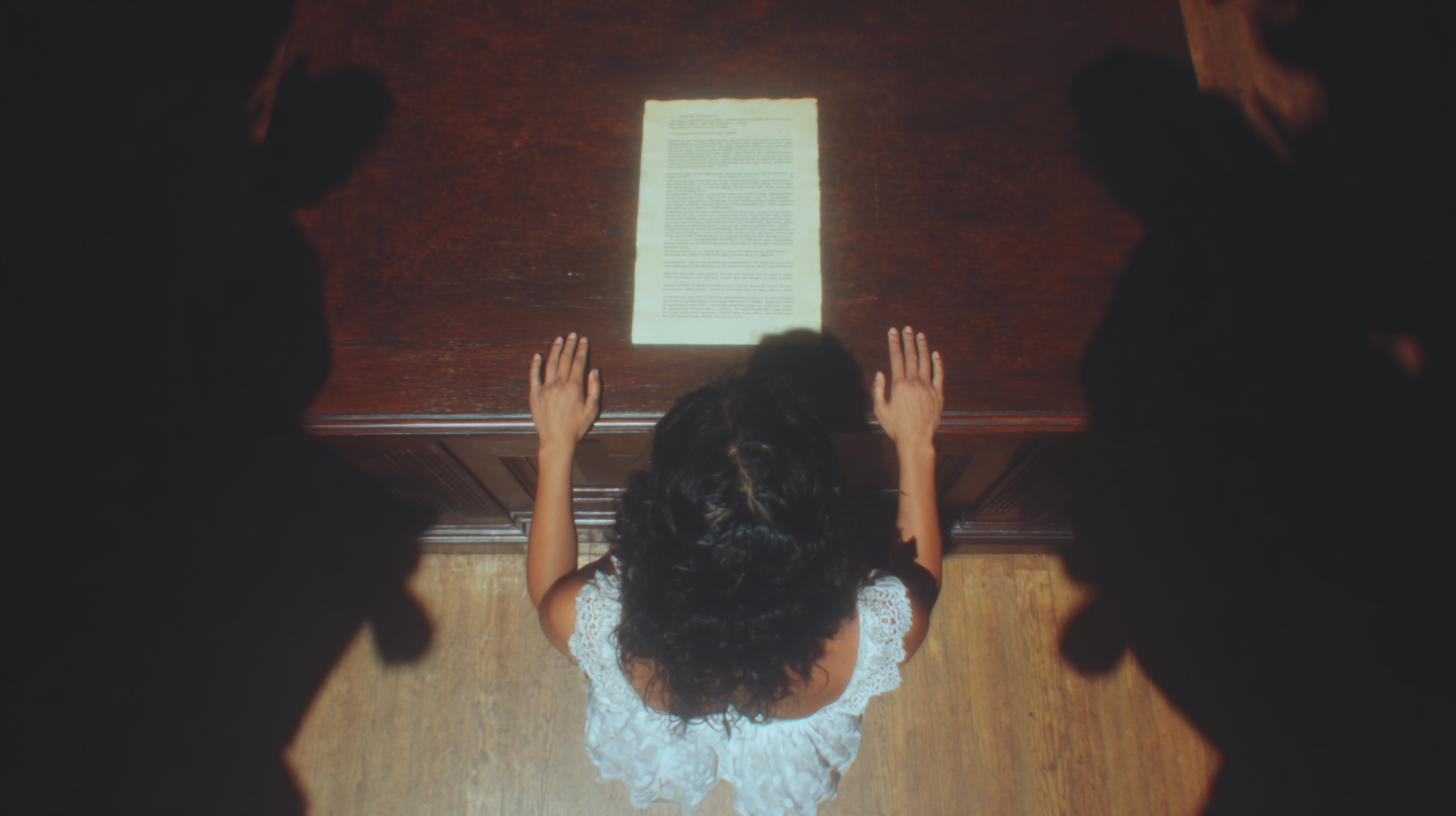
I am certain of my innocence, and my lawyers are too. Much less certain was whether that truth would be able to make its way through the byzantine rules that govern a federal courtroom. People ask why I didn’t just take a plea deal. Picture me in a cold government room, pen hovering over a sentence that turns my life’s work into a sham.
“Sign here,” they say, “and you can go home sooner.” Sooner to what?
What’s there to come back to after you’ve denied the truth you know in your bones?
I couldn’t confess to a crime I didn’t commit.
If you’re waiting for me to hate the people who testified, I can’t help you. I don’t.
I know what grief does to the mind.
I know what shame does to the tongue.
I also know what attention and care can heal.
I can hold compassion in one hand and my innocence in the other.
That’s not a magic trick. I know the cost of a closed heart.

Women’s desire is not a crisis to be managed; it’s a medicine to be practiced. I treated desire like penicillin. The prosecutors treated it like street drugs. They told their story to the court. They needed a villain. I was handy. After five weeks, the prosecution got their way.
The Department of Justice picks its words carefully:
“charlatan” meant desire has no real power; “grifter” meant it was all a cynical ploy.
Neuter the threat, vilify the messenger. Control moves to eliminate what might undo its system of domination.
Back in the dorm, the hum swallows us—fans blowing, TVs, women, dazzling overhead glare. Alma falls in beside me, eyes wide but fixed forward. She jerks her chin toward my row. “See that? With Luci?” A tiny woman with translucent skin perches on the empty bed between ours, hands busy with glitter and paper. “That’s Claire. The sex thing is no joke. They were talking about it in my row last night. She got written up for flirting. She gotta cool it or she gonna get us all in trouble.” Alma peels off and I walk to my row of bunks. Claire, still shaken, sits on the empty bed between Luciana and me, making glitter pictures while Rach sits on her own bunk farther down. Luci is speaking excitedly, doing her best to switch Claire’s mood. “She loves airplanes, like loves them. She was arrested for sneaking onto runways. Did it four times! She’s just obsessed.” She looks at us wide-eyed. Claire smiles without pausing on her pictures.
“Wait, she’s just obsessed with planes? That’s what she was arrested for? Not for drugs or something?” I can’t calculate why a person who would break onto an airfield to try to fly with the plane would be sent to prison and not, say, a mental hospital. Still, I’d heard Luci say her name, Dakina, as we’d walked up and it stood out to me, a mere letter away from the fierce and flying enlightened dakinis, Buddhism’s female counterparts to the calm and grounded masculine buddhas. Luci fully embodies this wild woman as she imitates her. She standsnand runs hard in place with arms outstretched, a bowels-of-the-earth sound coming from her, shaking her head the way a dog might if it got wet. I am fascinated by the idea of this woman so unable to color within the lines and consumed by the desire for flight enough to sneakonto runways.
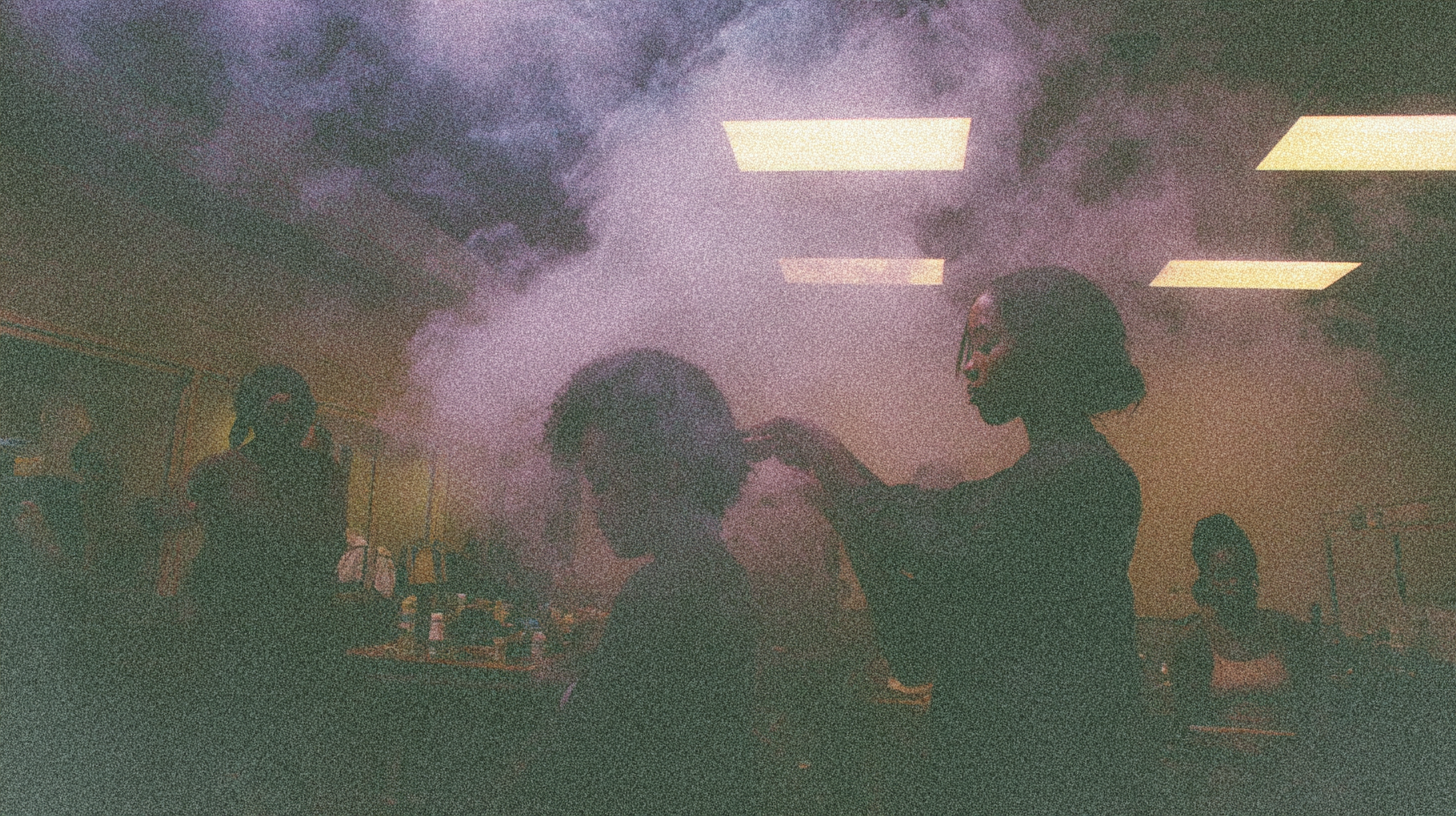
The room around us pulses within the pink cinderblock walls—the smell of yesterday’s food wrestling with detergent; women braiding hair, swapping stories, laughing too loud;
some trying to sleep, others watching true crime, peppering it with commentary. Some sleeping through the day, others spark with an aliveness the world doesn’t know what to do with.
Originals.
The ones who feel the system’s pressure push down while their chests push back with equal strength. This is the raw power of desire—wild, unpredictable—dissolving the lines that work desperately to rein in a force they can only appease but never subdue. These women at society’s edges withstand the weight of the world against them—diamonds beneath the mountain, free despite any condition.
What would it take to unearth them?.
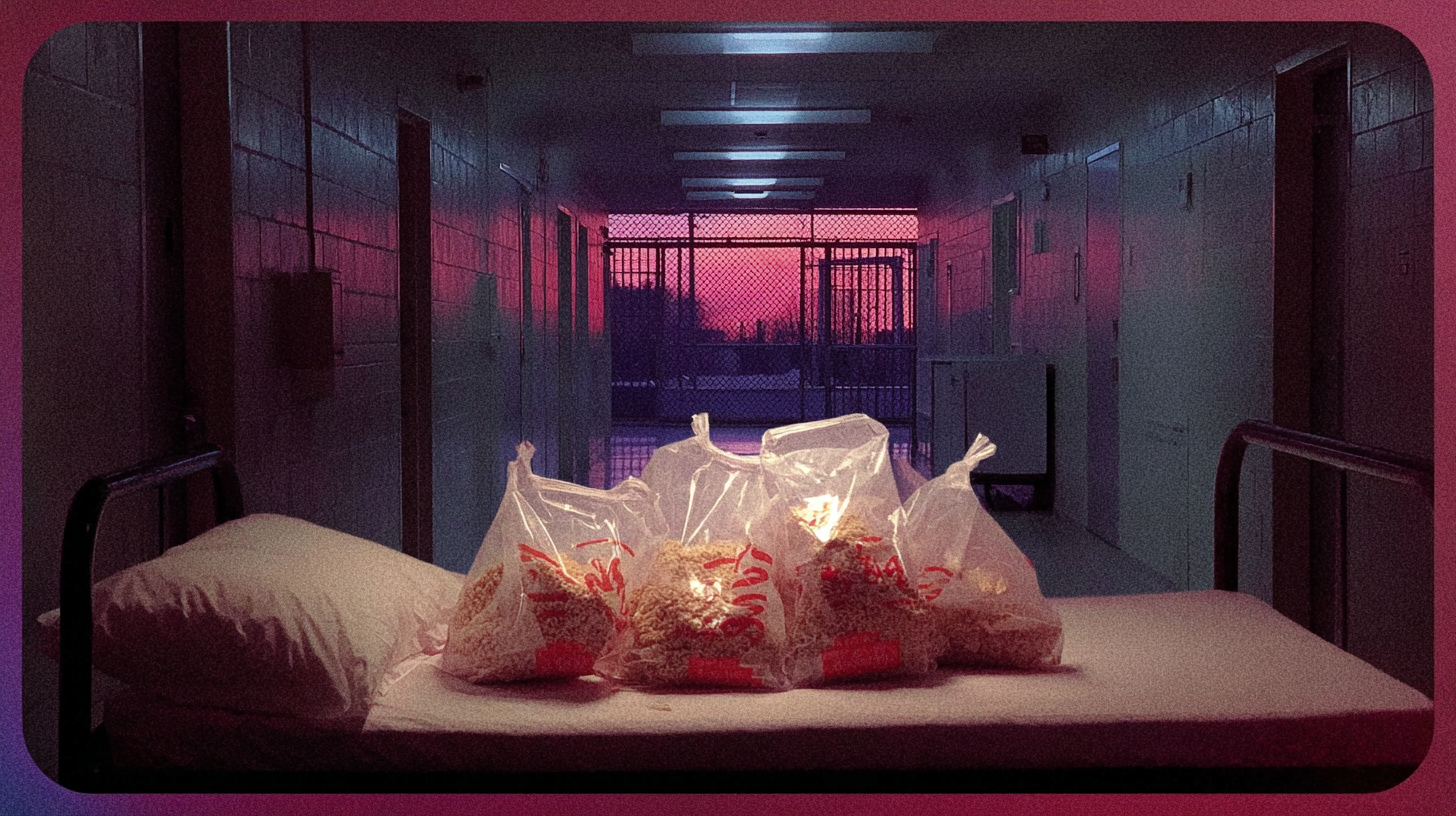
“Oh I almost forgot,” Luci says, breaking from her Dakina impression. She reaches under her bunk. “I got something for ya.”
She pulls out a bulging plastic bag packed with bran flakes.
“Some of the ladies don’t want their cereal—they only like the poundcake.” She grins. “I ran a collection.” Inside are a dozen boxes ofbran flakes. “And watch this,” she adds, leading Rachel and me to the ice machine on the other side of the dorm, now stashed with cartons of milk. “Insurance policy. If they serve mystery meat again, we eatlike queens.”
Abundance, just like that.